
Written by Henrietta King
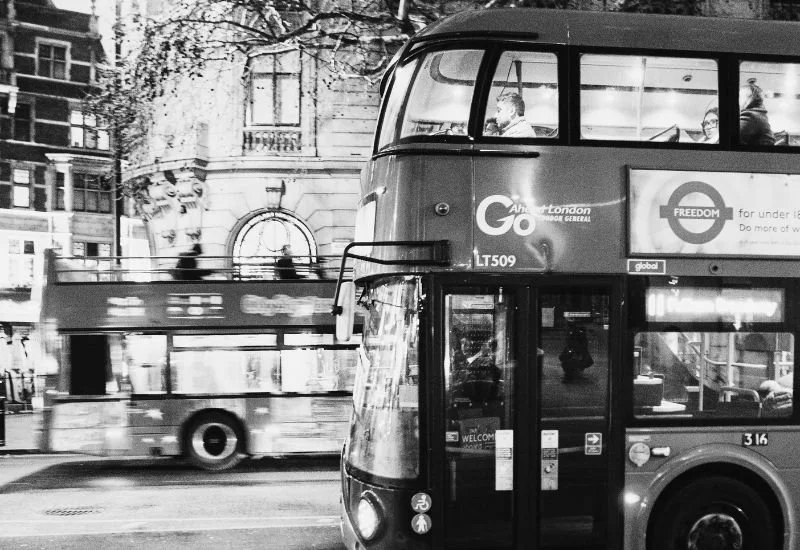
There is a rhythm to London after dark – the flow of people through neighbourhoods, high streets and transport hubs. For decades, that rhythm shaped the city’s identity and fuelled its economy. Now, it is beginning to falter, with consequences that reach deep into the future of the built environment.
London has already lost one in five bars since 2020. If current trends continue, it could lose half of its nightlife by 2030. For a global capital, this is more than a social concern; it is a structural one.
London’s nightlife has always evolved. Its current challenges are serious but not irreversible. Reversing the decline will require collaboration across planning, development, transport and policy and a recognition that the city thrives not only in daylight, but after dark.
Shifting Behaviours and Expectations
Much has changed since the pandemic. Covid shuttered venues and disrupted social habits, but six years on from lockdown, the decline can no longer be attributed solely to Covid.
The social attitudes of Londoners, particularly younger generations, are changing. Lifestyle choices increasingly prioritise balance, wellbeing and affordability.
Nearly 40% of young adults now report that they do not drink alcohol at all. That alone reshapes the types of spaces people seek after dark, favouring multifunctional venues, cultural programming and experiences that are less centred on alcohol.
Economic Pressures on Both Sides
Moreover, the cost-of-living crisis has also exposed the true cost of a night out. Rising rents, utilities and food prices have made nightlife an increasingly discretionary expense. Among 18–30‑year‑olds, 68% say today’s economic climate has directly reduced how often they go out at night.
For operators, the pressures are even more acute. Rents and business rates have risen steadily, while energy bills and staffing costs continue to climb faster than revenues. Many venues, particularly grassroots and independent spaces, operate on razor‑thin margins. When set against increasing regulatory burdens or the financial implications of redevelopment, the challenges become existential.
Corsica Studios, the much‑loved cultural institution in Elephant & Castle, is only one example. After 24 years, the venue announced its closure due to nearby development triggering new sound‑mitigation requirements that were financially unmanageable. It is a case study in how planning, redevelopment and cultural infrastructure intersect and how easily the balance can tip.
Infrastructure Gaps: Transport, Safety and Planning
London’s night‑time infrastructure has not kept pace with the city’s changing needs. Transport is a recurring concern: while millions rely on buses, trains, and the Night Tube, gaps in coverage, particularly in outer boroughs, make late‑night journeys costly, slow or unsafe. For many Londoners, especially women and marginalised groups, safety remains a determining factor in whether they go out at all. For operators, fragmented licensing frameworks, inconsistent borough‑level approaches and lengthy planning processes create uncertainty and cost.
A Turning Point: The Nightlife Taskforce
In recognition of these pressures, the Mayor of London convened an independent Nightlife Taskforce in 2025 to examine the city’s night‑time ecosystem and propose interventions. Their recommendations, published this year, are detailed and ambitious.
They call for modernised licensing, integrated planning approaches, better night‑time transport alignment, dedicated funding for nightlife innovation, and, crucially, the recognition of nightlife as culture. Not a nuisance. Not an afterthought. A cultural asset with economic, social and placemaking value.
Why This Matters for Real Estate and Urban Development
For the built environment sector, nightlife is far from peripheral; it is integral to how cities function and create value. A healthy night‑time ecosystem strengthens local economies, shapes place identity and supports a truly 24‑hour city.
Nightlife drives significant economic activity, supporting over a million workers across hospitality, transport, logistics, security and cultural production. Its impact stretches far beyond venues, sustaining the services and infrastructure that operate after traditional business hours.
It also attracts and retains talent. Nearly half of Londoners say nightlife influences their decision to stay in the city, a figure even higher among tech and creative professionals. Cities now compete as much on culture and experience as on jobs or housing, and nightlife is a key part of that offer.
From a placemaking perspective, night‑time culture defines neighbourhood identity and long‑term value. Areas like Shoreditch and Brixton became cultural destinations before they became investment hotspots. When nightlife declines, the vibrancy and distinctiveness that underpin these places, and support demand, are at risk.
A Strategic Imperative
Therefore, preserving and nurturing London’s nightlife is not an act of nostalgia. It is a strategy for economic resilience, cultural competitiveness and sustainable urban growth. Through collaboration in planning and development, improved transport, and supportive policy, London can regain its rhythm.